
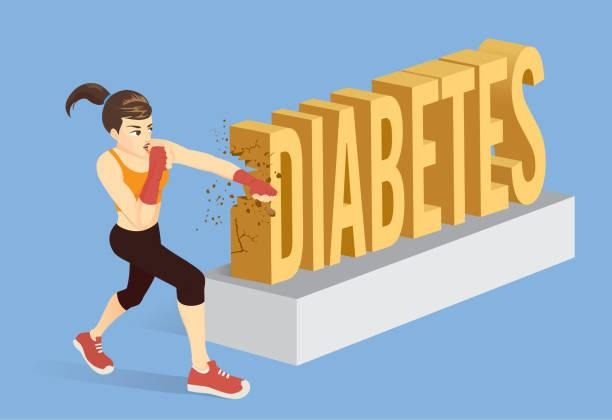
You can boost your insulin sensitivity with a consistent daily routine. Aim for regular exercise, balanced meals, good sleep, and stress breaks. Even small habits, a post-meal walk, a protein-rich breakfast, and a short bedtime wind-down make a big difference over time.
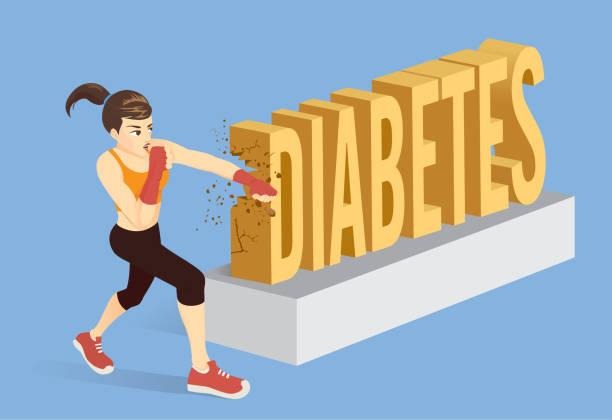
Quick answer. Imagine Maria, a busy mom of two. She feels draggy every afternoon and craves snacks, even though her blood sugar tests look fine.
She assumed it was just stress and skipped meals to save time. Her doctor warned that her lifestyle might be silently causing insulin resistance.
Could small daily tweaks, a bit more sleep or a quick walk, help her feel better?
Does this sound like you?
Did you know?
More than 1 in 3 U.S. adults (≈98 million people) have prediabetes without knowing it. That means their bodies are already starting to ignore insulin’s signal to clear sugar. Even healthy-looking people aren’t immune, Harvard doctors note that stress, being too sedentary, and poor sleep can quietly raise blood sugar and harm insulin function, even if body weight seems fine.
Daily Habits to Boost Insulin Sensitivity
Move your body every day
Exercise is one of the fastest ways to make muscles use glucose better. It doesn’t have to be a gym or marathon, even short walks help. For example, a recent study found that a 10-minute walk after a meal cut the next two-hour blood sugar spike by ~6–10% compared to sitting. Even standing up for a few minutes makes a difference. If you’re tight on time, try breaking it up: 5 minutes of walking after meals or simply pacing around while on calls keeps glucose moving into muscles.
For women with PCOS, a common insulin-resistant condition, adding some high-intensity bursts can help. In one trial, 10 weeks of HIIT workouts (e.g. bike sprints or fast jumping jacks) improved insulin resistance by about 17% in PCOS women, even without weight loss. And older adults see gains too: regular strength training or weight-bearing exercises build muscle, which uses insulin more efficiently. Aim for some resistance (like squats, push-ups or light weights) 2–3 times a week, especially if you’re over 60.
Eat balanced meals and snacks
Focus on whole, minimally processed foods. Include protein (eggs, chicken, beans or tofu) and fiber (vegetables, fruit, whole grains) at every meal. Protein and fiber slow sugar absorption and keep you full, so insulin works smoothly. For example, starting your day with eggs, yogurt, or oatmeal with berries can stabilize insulin. Furthermore, try not to skip meals, big gaps can backfire. In fact, one study showed that a 24-hour fast worsened insulin sensitivity by 54% the next morning! Instead, eat regular meals or healthy snacks so your body doesn’t swing between starve-and-binge.
Limit sugary drinks and refined carbs
Swap sodas, juices or sweetened coffees for water, herbal tea, or sparkling water with lemon. Even healthy juices pack a sugar punch. Plain water helps your body process sugar better dehydration can elevate blood sugar. When you do have carbs, pick whole grains (brown rice, oats, whole wheat) and vegetables over white bread or sweets. These choices blunt insulin surges.
Prioritize sleep and a routine bedtime
Good sleep is vital for insulin. When you sleep poorly or not enough, your body pumps out stress hormones (like cortisol) that make cells resist insulin. Controlled studies show that even one night of only 4 hours of sleep can lower muscle and liver insulin sensitivity by ~20–30% the next day. In the long run, chronic lack of sleep raises blood sugar and hunger hormones (more ghrelin, less leptin), driving cravings.
Aim for 7–9 hours of uninterrupted sleep each night. Try to keep a regular sleep schedule (even on weekends): go to bed and wake up at the same time. Set a screen curfew (no phones/tablets 1 hour before bed) to avoid blue light. If you work nights, simulate night sleep by wearing sunglasses on your way home and keeping your bedroom dark and cool.
Doctor’s Note:
Research confirms partial sleep deprivation hurts your metabolism. In one experiment, healthy men who slept only ~4 hours for 1 night showed a large drop in insulin sensitivity compared to a normal night. Even splitting sleep into a long nap and a short sleep can disrupt insulin action. So treat sleep like medicine: it’s the time your body resets its glucose control.
Common Myths & Truths
Myth: I only need to exercise hard on weekends.
Truth: Frequent movement beats occasional gym days.
Myth: Only people with obesity get insulin resistance.
Truth: Anyone can have it. Even slim people can develop poor insulin sensitivity from high stress, poor sleep, or hormones.
Myth: Skipping meals or fasting a lot always improves insulin.
Truth: It depends. Very long fasts or missing meals can backfire. For example, a 24-hour fast actually reduced insulin sensitivity by 54% the next day. This is partly because extreme hunger can trigger stress responses. Better: eat regular balanced meals.
FAQs
How soon will I see results?
Some people feel sharper in just a few days of habits like better sleep or a walk routine. Most need weeks to months of consistency to really change insulin markers.
What kind of diet is best?
No magic diet is required. Instead, focus on whole foods: vegetables, fruits, whole grains, lean proteins, and healthy fats (nuts, olive oil). Avoid sugary drinks and snacks. Small, frequent balanced meals help keep blood sugar steady.
Do I have to do intense workouts?
No. Brisk walking, dancing, cycling, or even gardening counts as moderate exercise. If you enjoy it, that’s a bonus, but anything that raises your heart rate a bit and uses muscles helps insulin.
Is weight loss necessary?
Losing excess weight can improve insulin sensitivity, but it’s not the only answer. You can boost insulin action even without changing weight much.
What You Can Do Next
Move after meals: Take a 10-minute walk after lunch or dinner.
Eat protein & veggies: Fill half your plate with non-starchy veggies (broccoli, spinach, salad) and add protein (egg, chicken, beans) at every meal. This combo slows sugar spikes.
Set a sleep schedule: Pick a bedtime and wake time (aim for 7–9 hours) and stick to it. Dim lights and limit screens an hour before bed. Shift workers: block blue light at night and sleep in blackout shades.
Limit sweets and sodas: Swap soda/juice for water or tea. Craving sugar? Have a piece of fruit or nuts instead.
Reduce stress: Pause for deep breaths, prayer, or a 3-minute stretch break daily. Even 5 minutes of slow breathing can lower cortisol and stabilize blood sugar. Hard day? Write down one thing you’re grateful for before bed.
Summary
Your body’s insulin sensitivity responds to your daily choices. By moving regularly, eating balanced meals, sleeping well, and managing stress, you can reverse insulin resistance over time. Start with one habit (like a daily walk or an earlier bedtime) and build slowly. Small changes add up: as your insulin starts working better, you’ll feel more energy and protect your long-term health. You’ve got this, your body will thank you for each positive step!
References
- https://www.cdc.gov/diabetes/communication-resources/1-in-3-americans.html#:~:text=,formerly
- https://www.nature.com/articles/s41598-025-07312-y?error=cookies_not_supported&code=57d9f8b7-82a8-4356-9e08-3c036e2c3bb9#:~:text=%2875%C2%A0g%29,approach%20for%20the%20management%20of
- https://www.ncbi.nlm.nih.gov/search/research-news/17034/#:~:text=Just%202%20minutes%20of%20walking,help%20blood%20sugar%2C%20study%20says
- https://journals.plos.org/plosone/article?id=10.1371/journal.pone.0138793#:~:text=High%20intensity%20interval%20training%20for,the%20absence%20of%20weight%20loss
- https://pmc.ncbi.nlm.nih.gov/articles/PMC8429971/#:~:text=resistance%20training%20,CI%2C%C2%A0%E2%88%920.90
- https://pmc.ncbi.nlm.nih.gov/articles/PMC5990470/#:~:text=al,In%20retrospect%2C%20given
- https://pmc.ncbi.nlm.nih.gov/articles/PMC4758899/#:~:text=restriction%20of%204%20hours%20in,for%20one%20week%20in